Mahesh Karambele
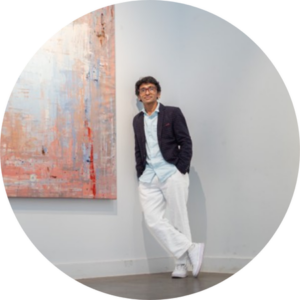
Mahesh M. Karambele is an Indian artist whose practice moves between memory, land, and labour. Born in 14th September 1982 Aagave village in Konkan’s Ratnagiri district, he spent his early childhood in the rice fields of his maternal and paternal villages, Aagave and Kot. At age six, his family moved to Mumbai, where his father purchased a 12 x 10 ft room in a Bhandup chawl. The density, repair, and resilience of that 120 sq ft space became Karambele’s first visual language.
Life in the chawl was marked by hardship. His father worked multiple jobs to repay the loan on their room and fund his sons’ education. Art materials were a luxury, but Karambele taught himself to draw and paint, practicing with whatever he could find. After graduation he told his parents he would give his life to art. “I cannot live without it,” he said. To survive, he gave tuitions, did craft jobs, and walked to exhibitions to save money. “Sometimes I ate once a day because there was no money in my pocket. Those days shaped me.”
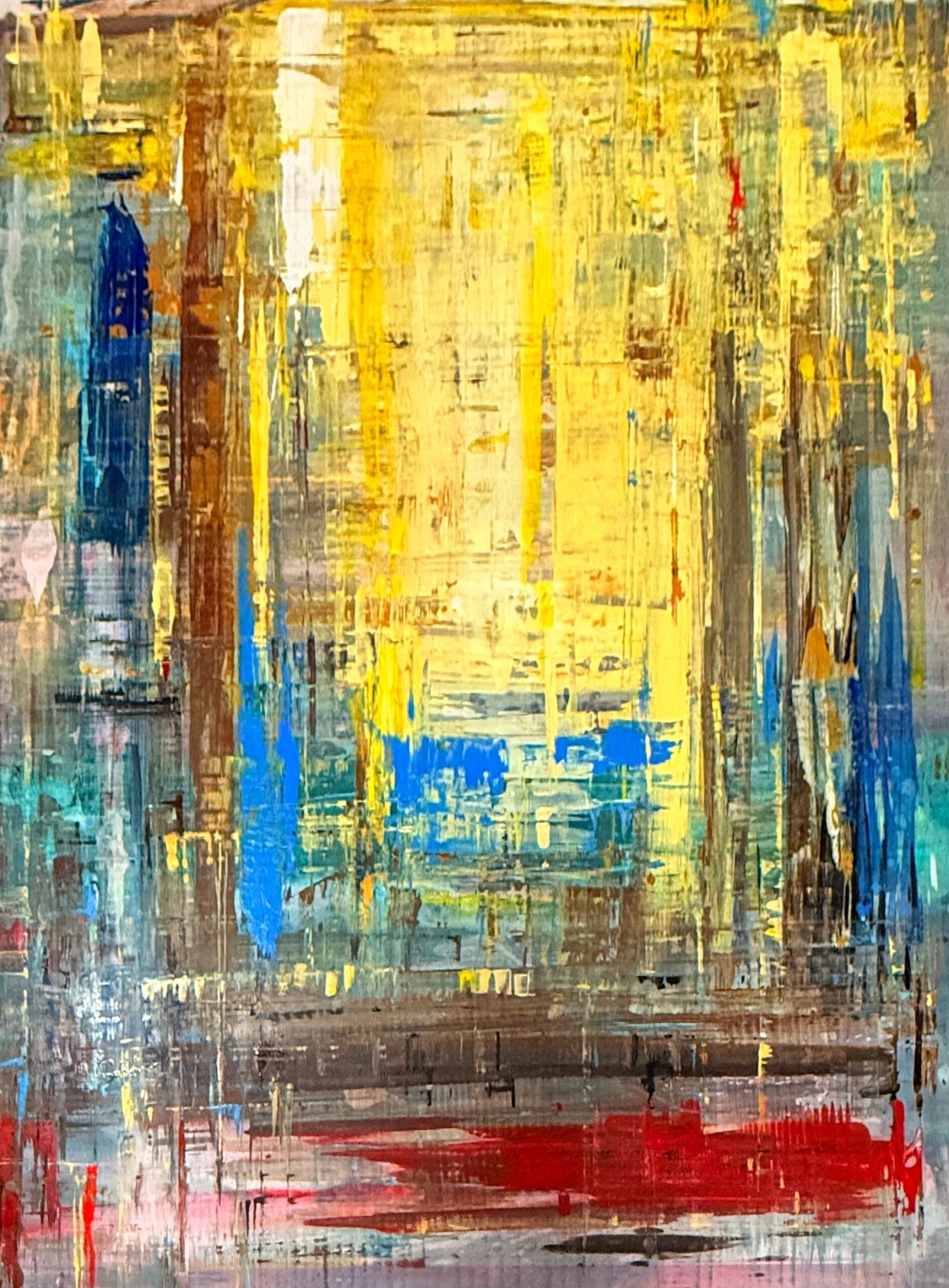
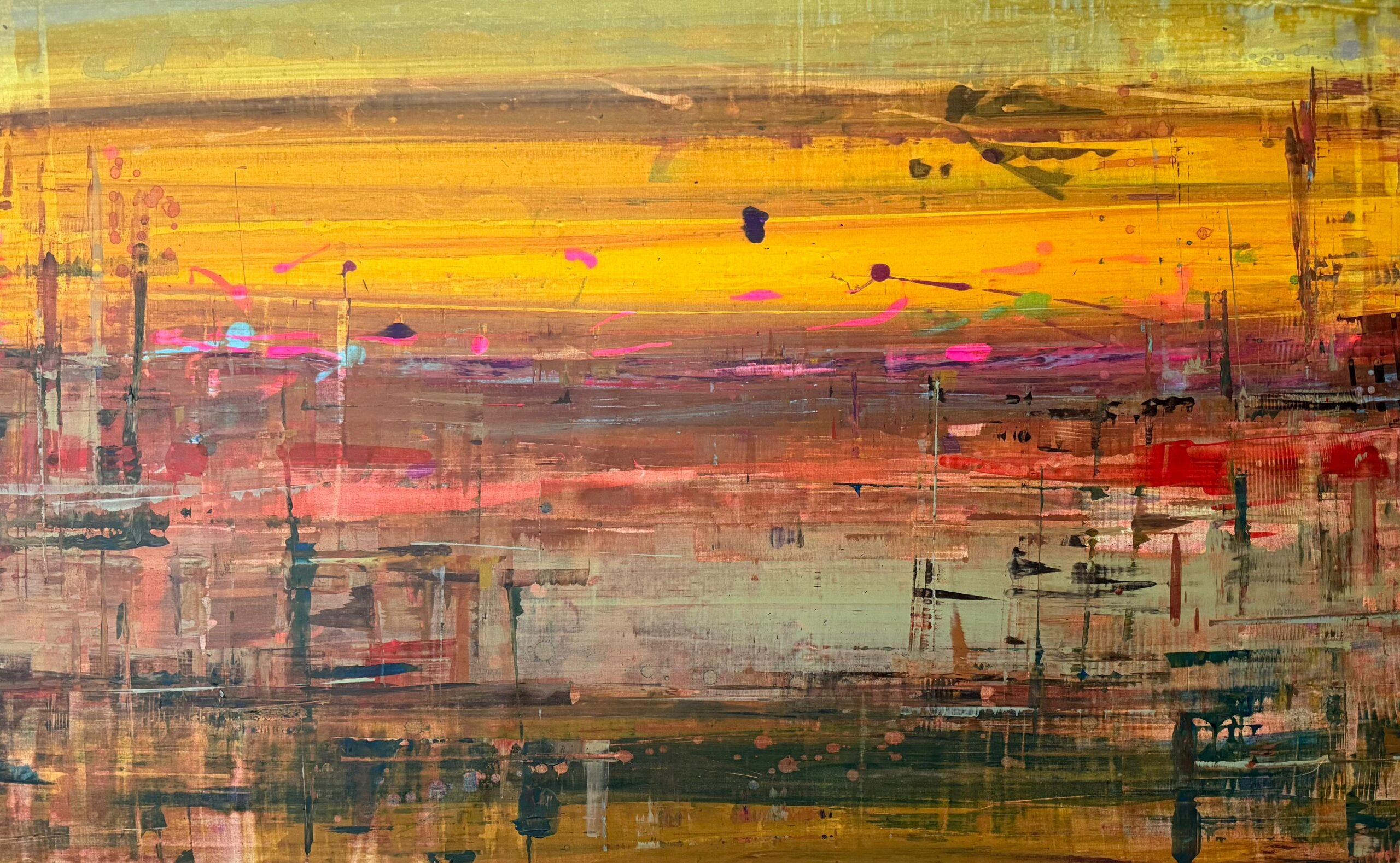
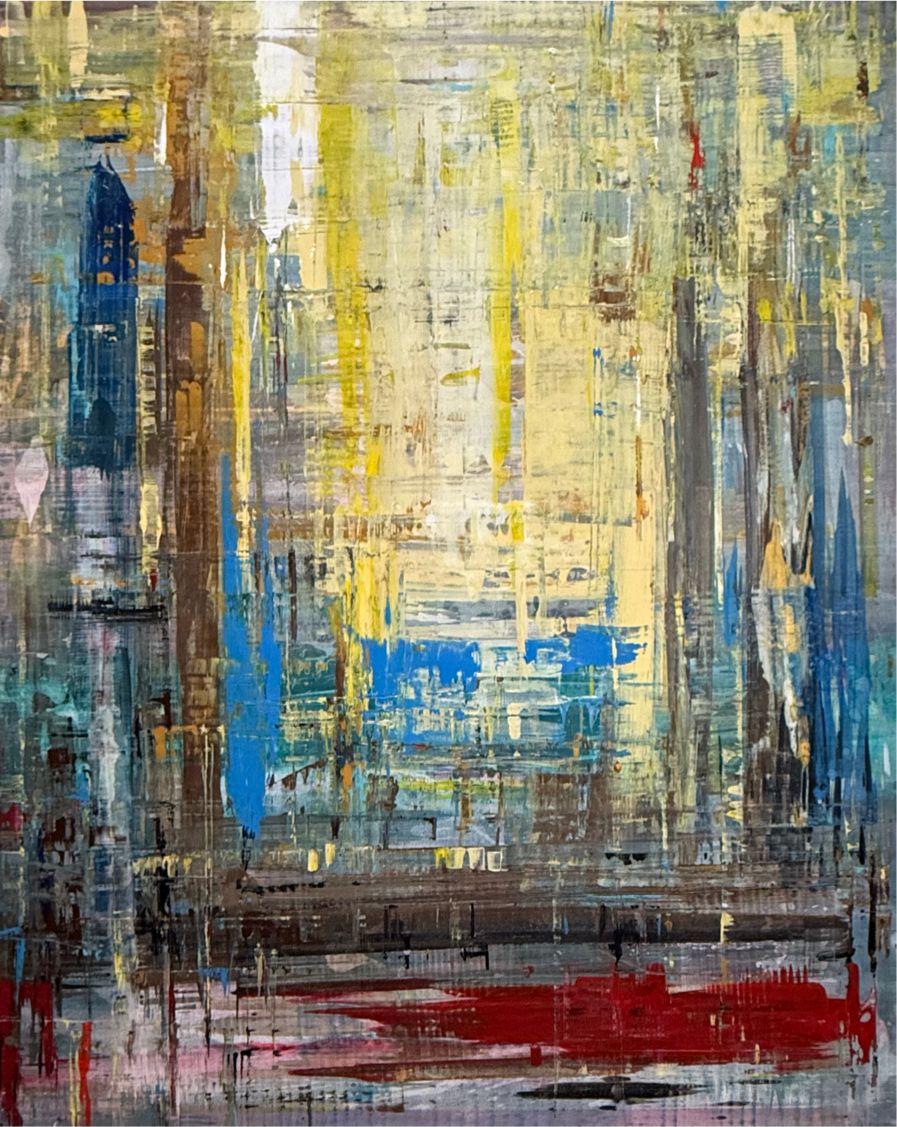
Karambele began with realism, capturing the overlooked details of urban life: chawl corridors, monsoon-stained walls, his father’s hands after a double shift. The turning point came while making a work about his room in Bhandup. After repeatedly redrawing the walls, he sanded the surface back until only stains and scratches remained. “In that damage I saw the truth of that room more clearly than in any accurate drawing.” That moment moved him toward abstraction.
His first public showing was during his chawl’s annual Satyanarayan puja. His first gallery show followed at Art Plaza Art Gallery, opposite Jehangir Art Gallery, Kala Ghoda, Mumbai. He remembers wrapping works in plastic, taking a taxi in the rain, and his father arriving straight from work to stand silently before a painting. Later, Karambele overheard him tell a neighbour, “He’s stubborn, but he means it.”
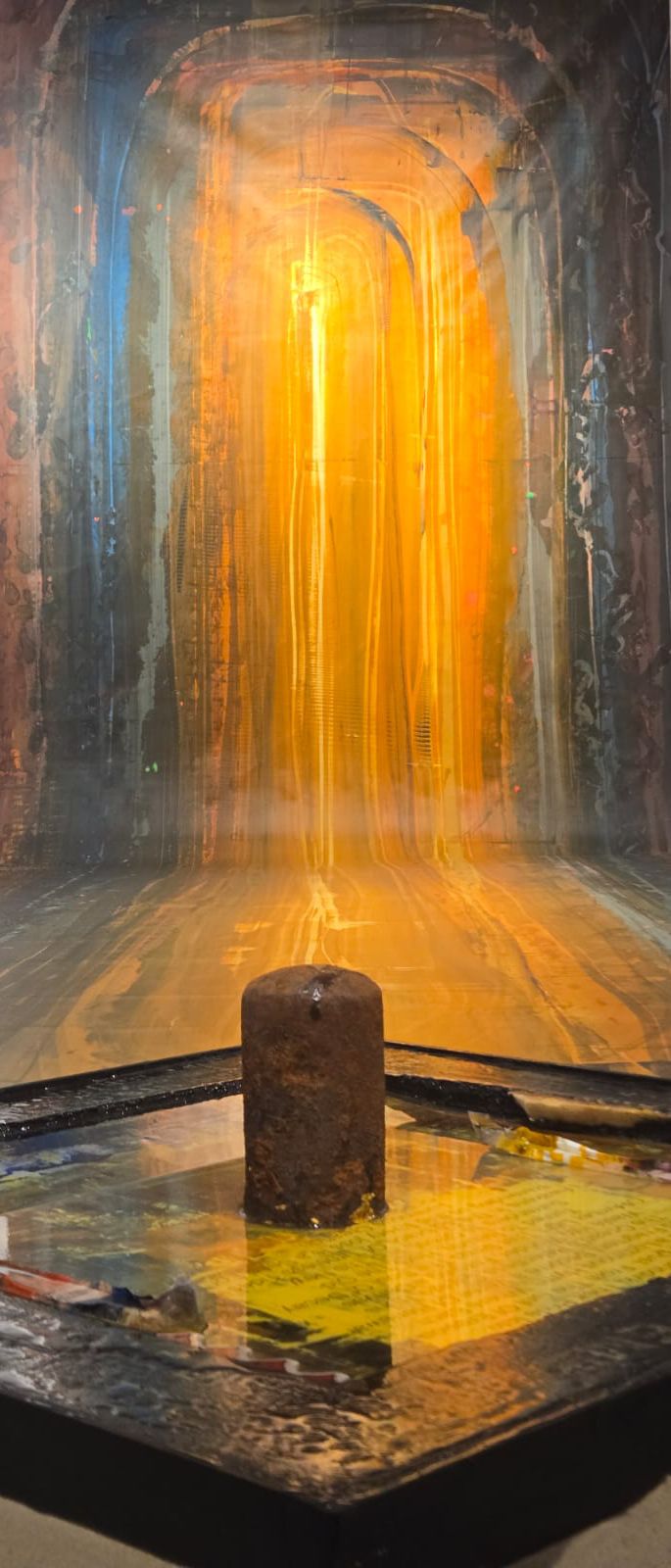
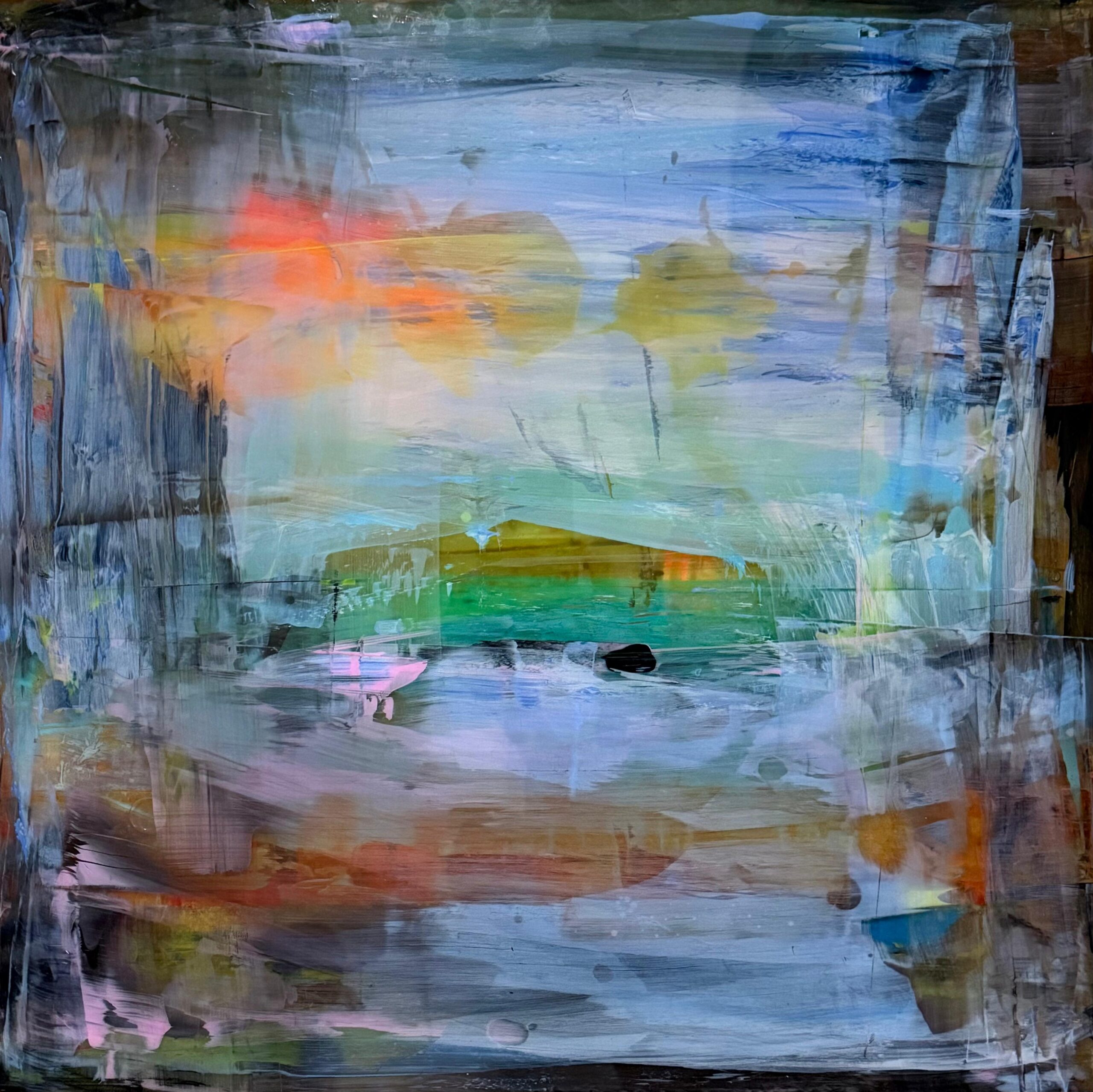
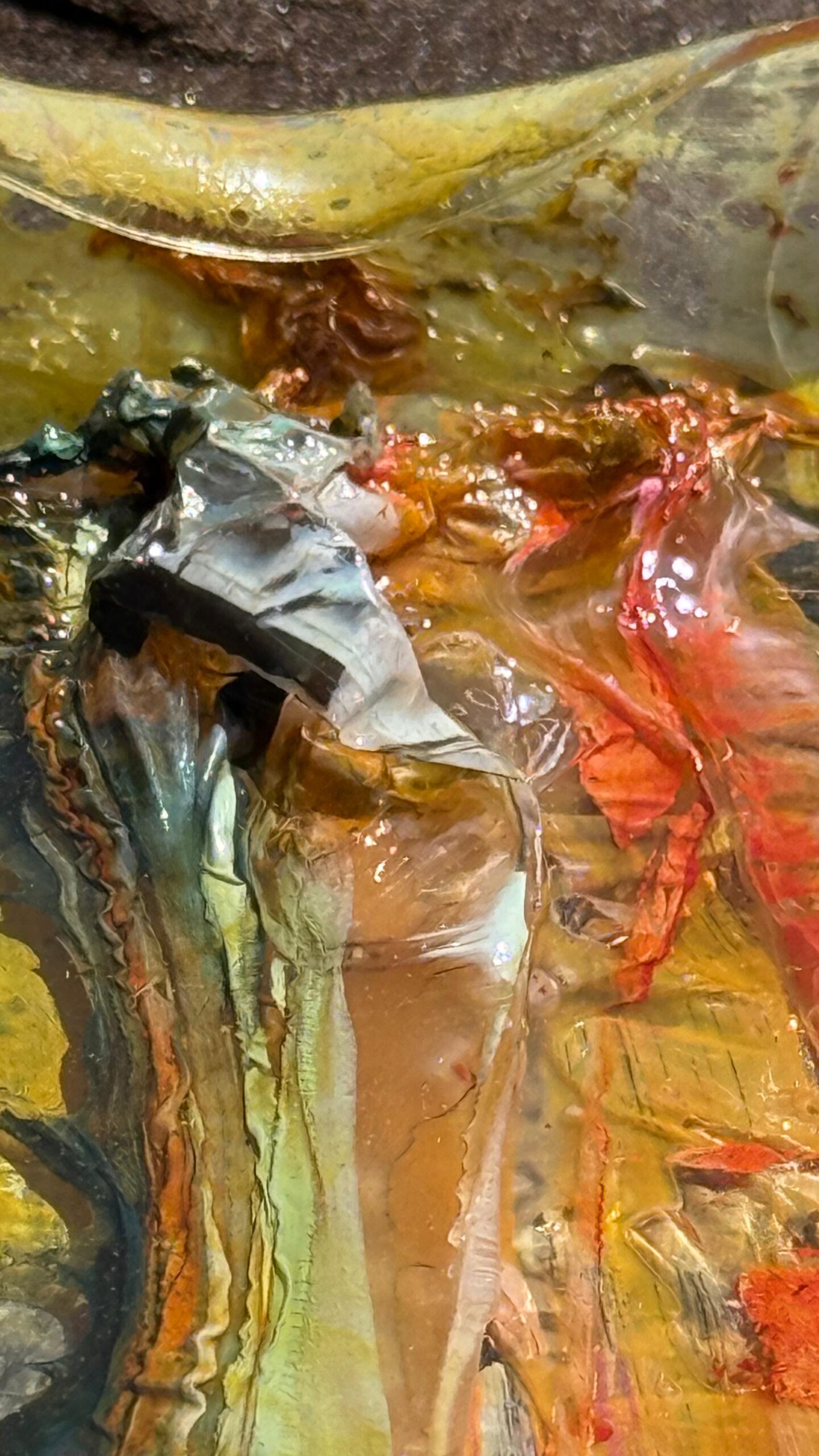
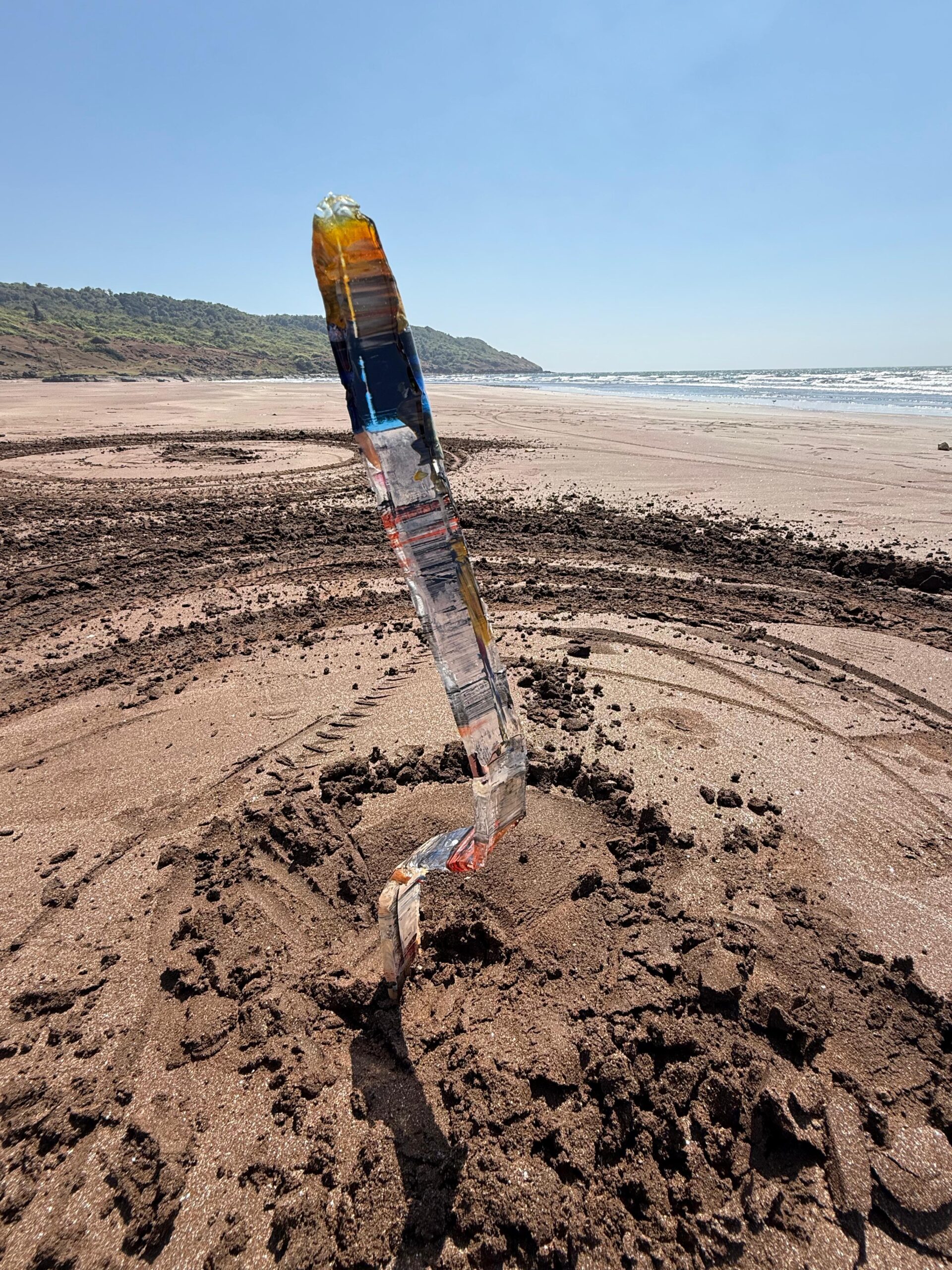
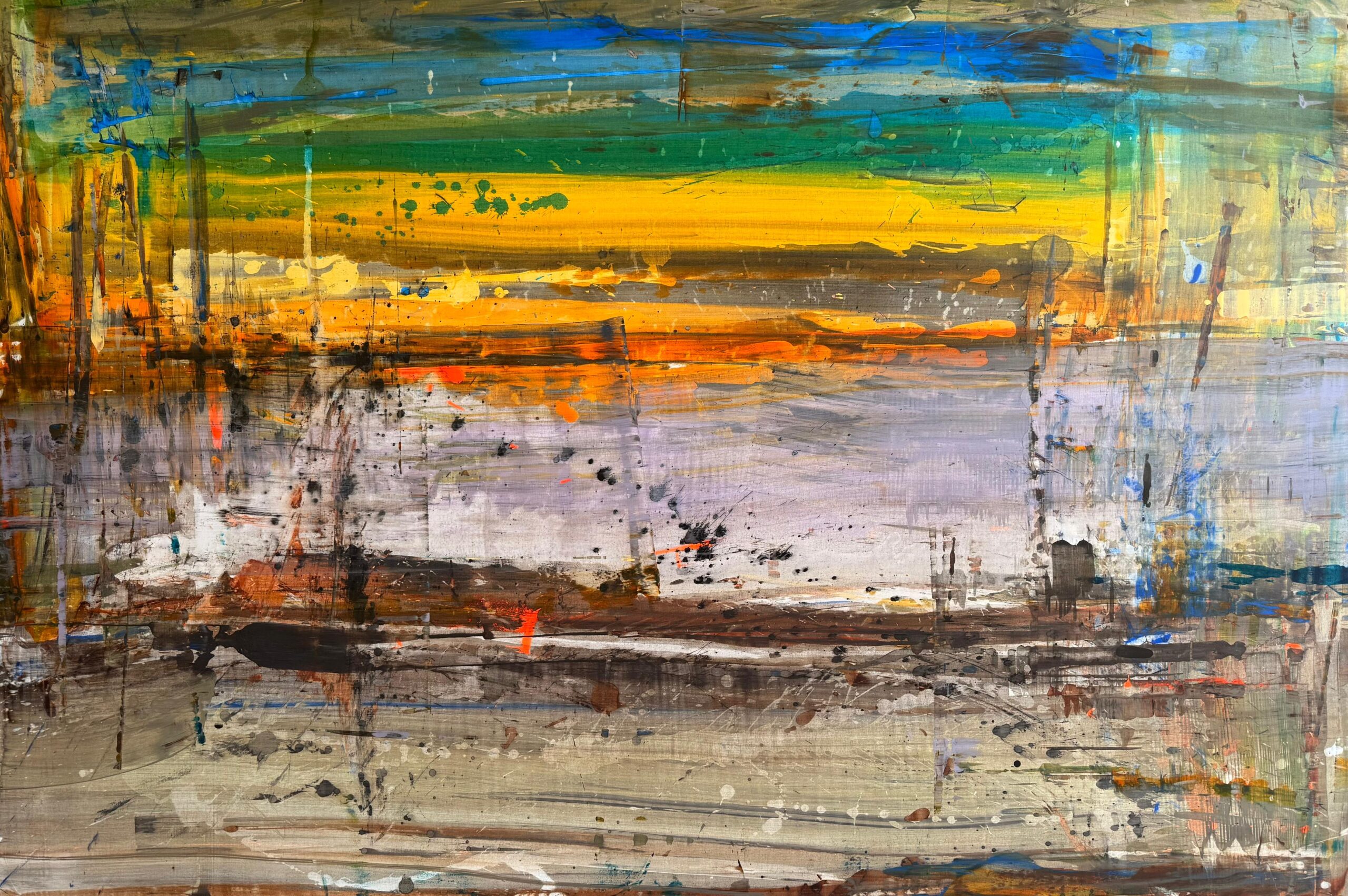
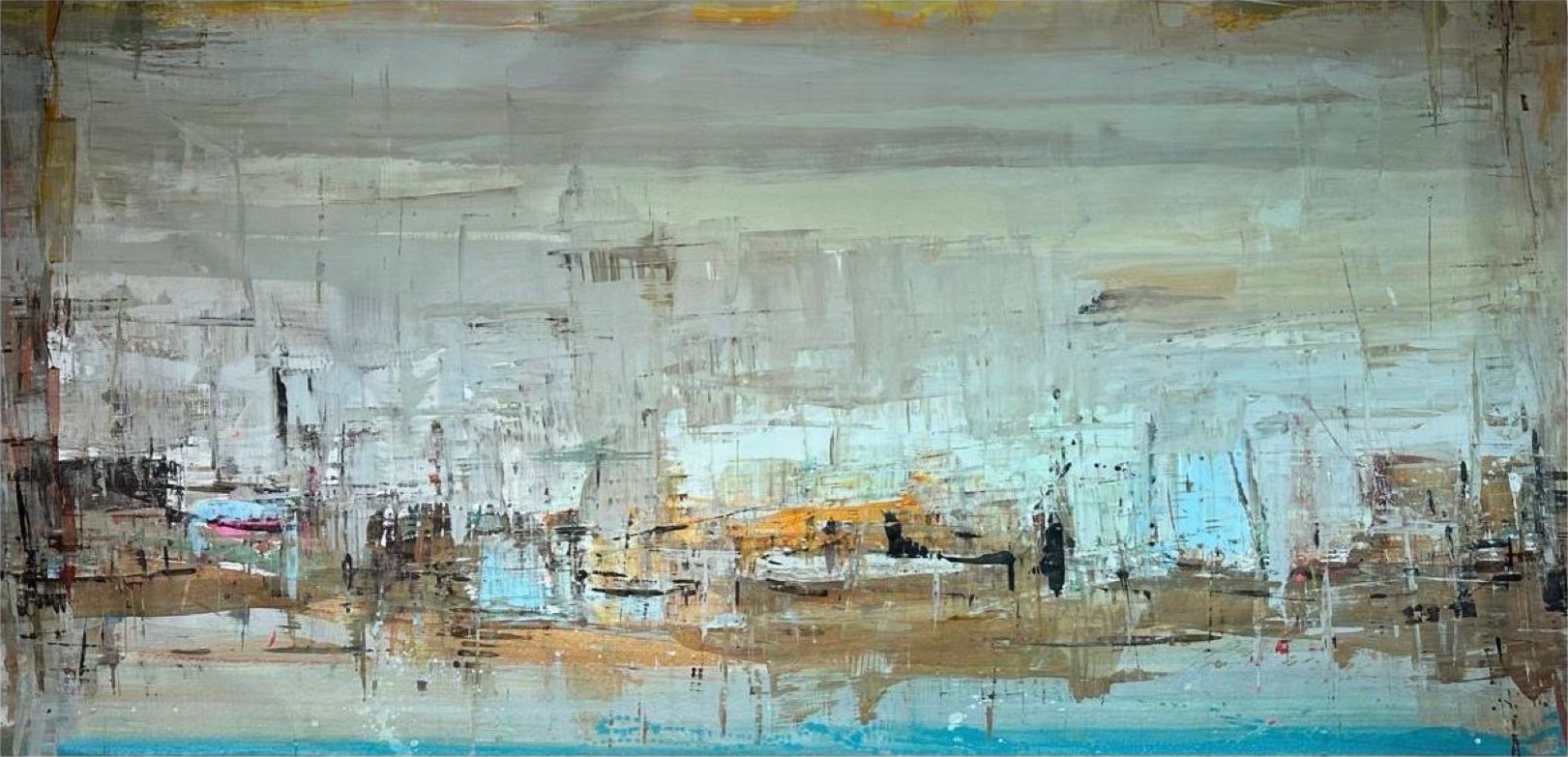
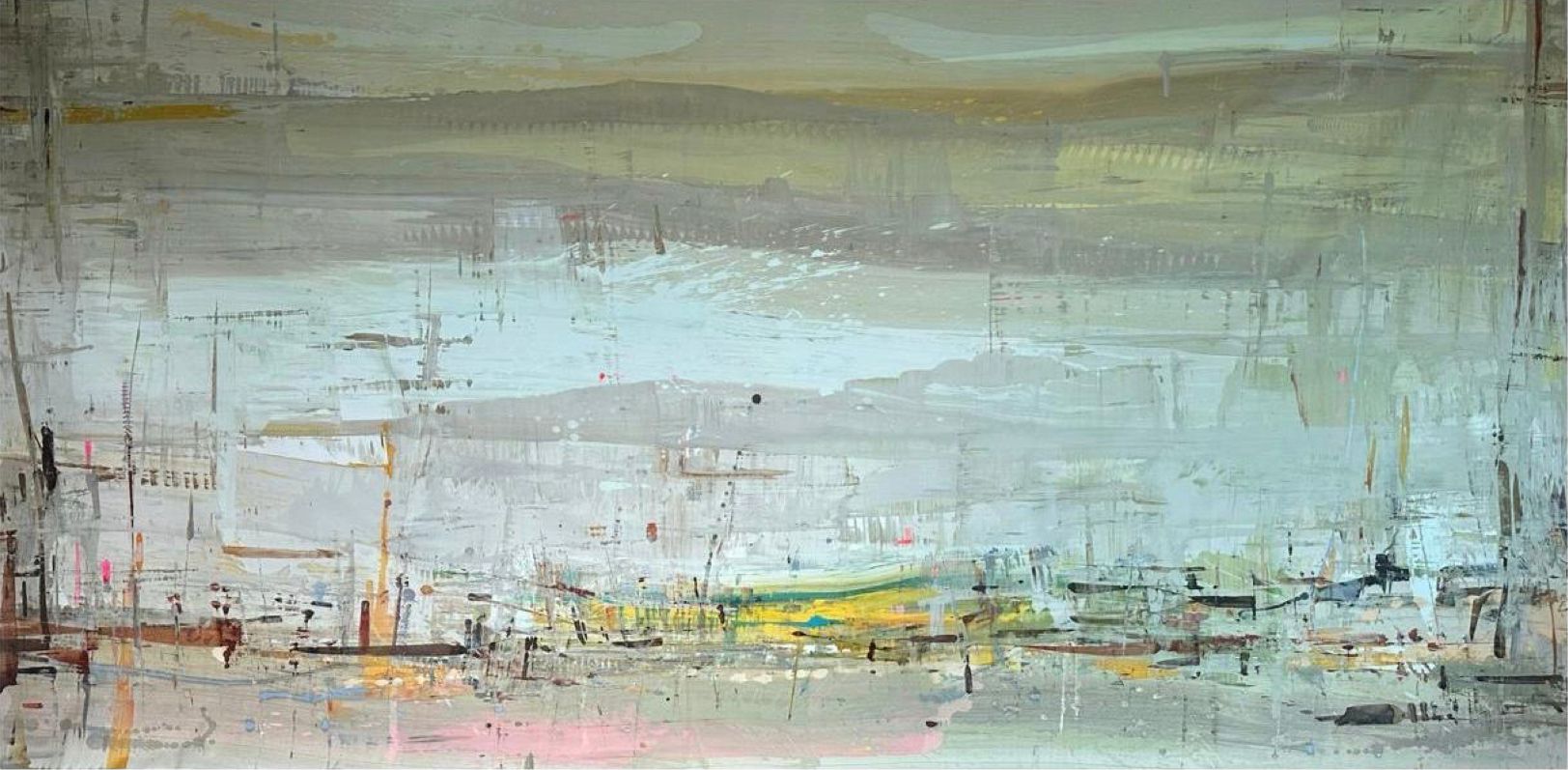
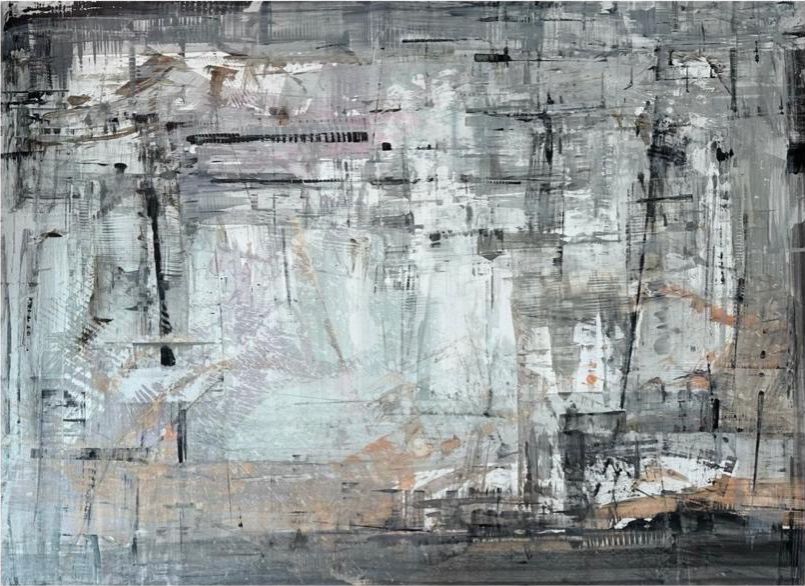
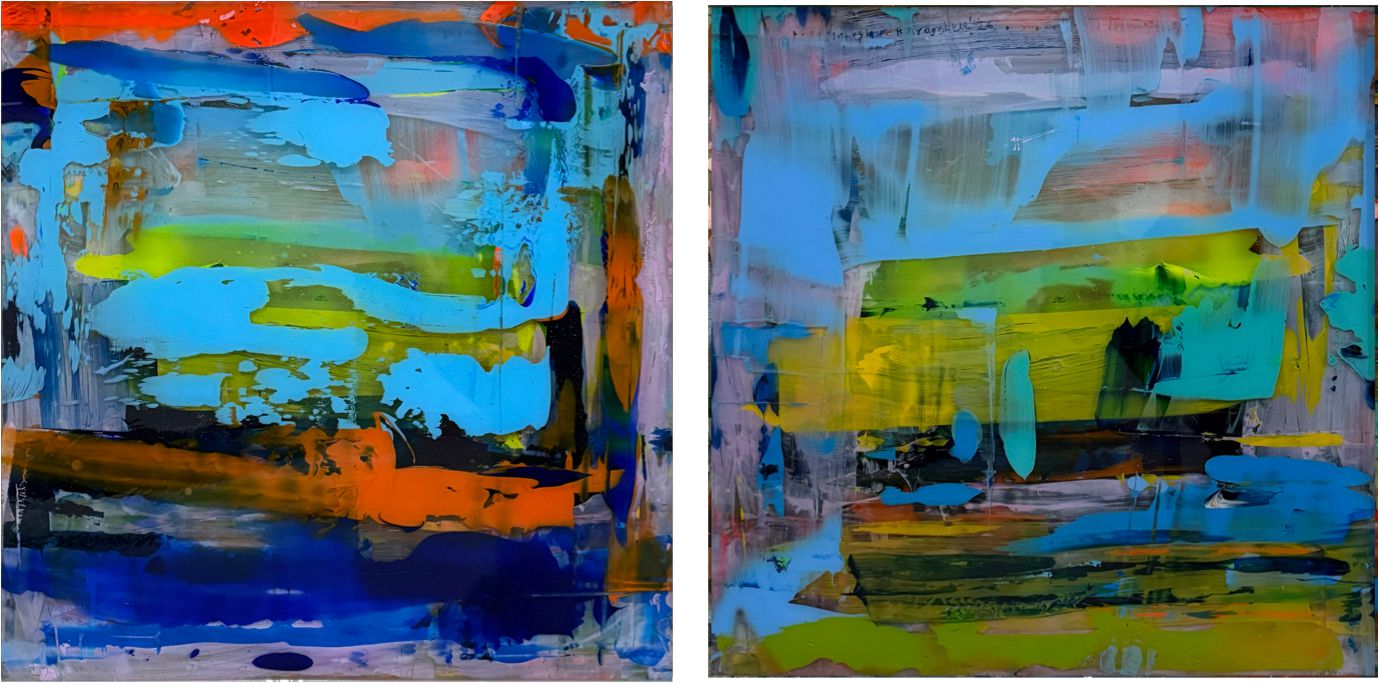
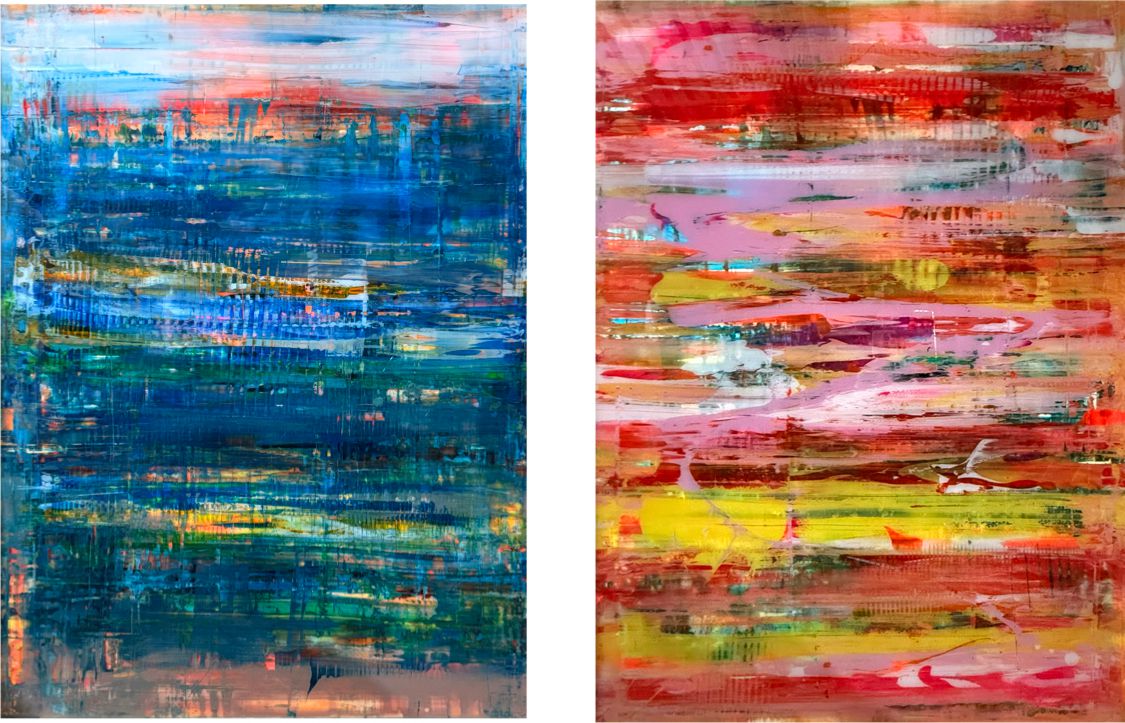
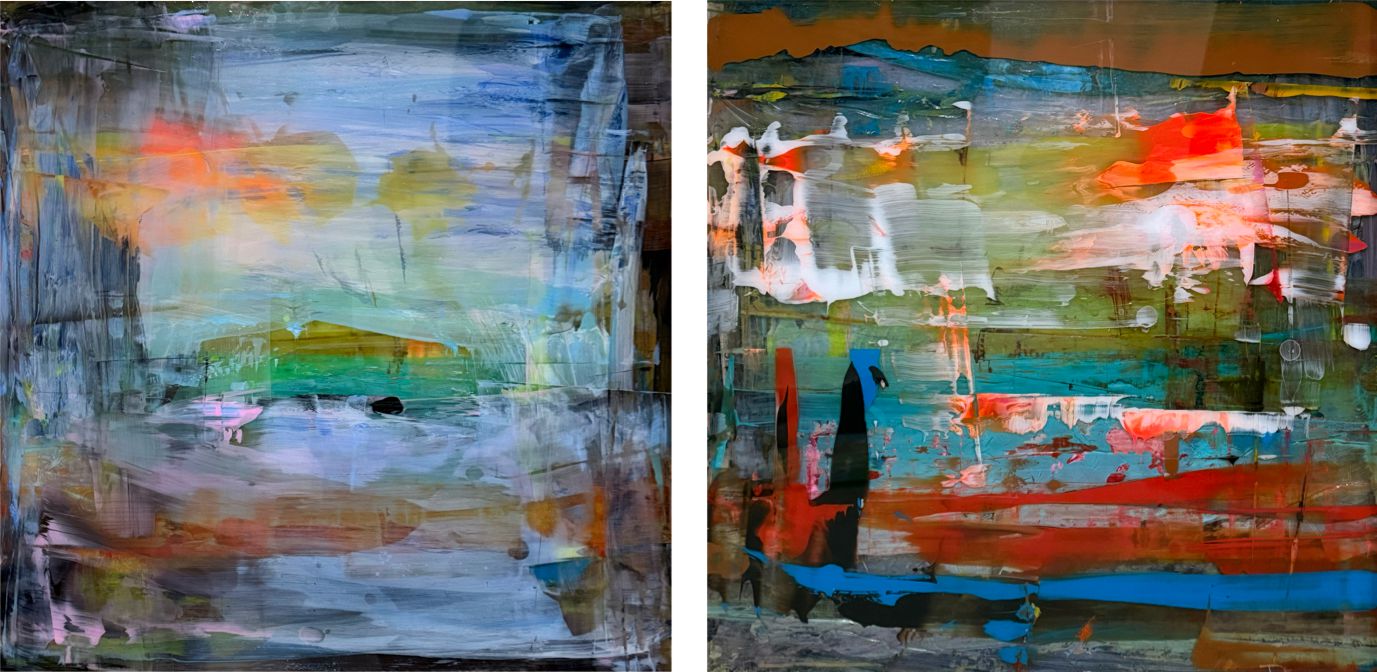
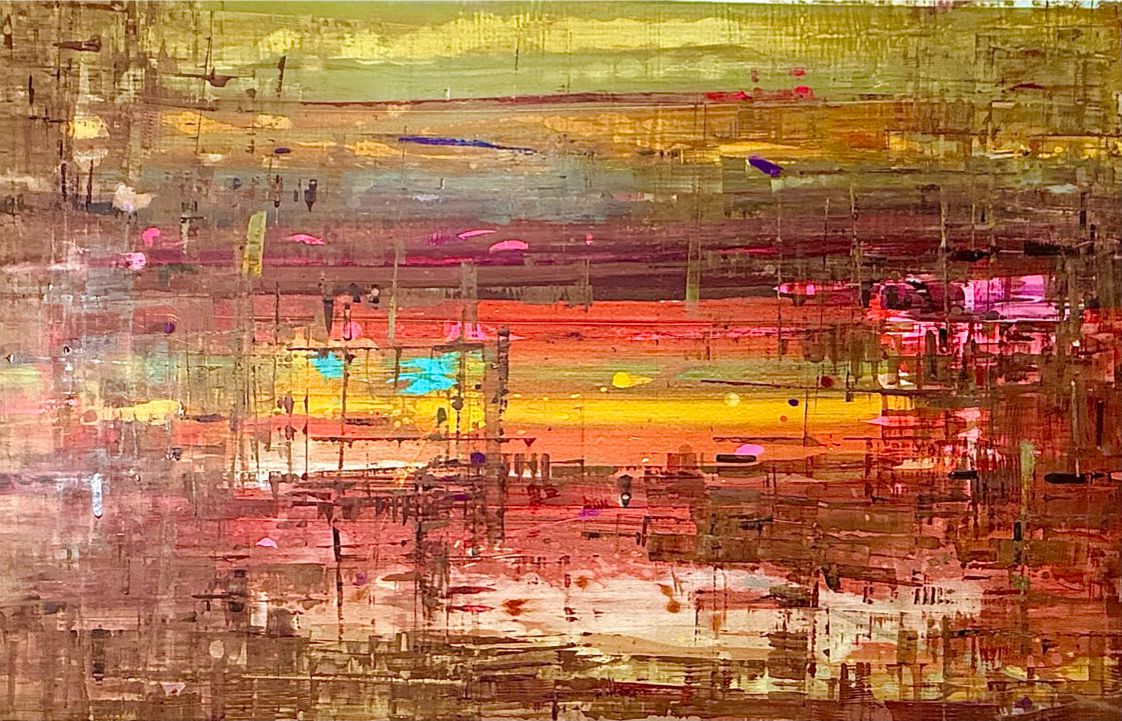
Today, Karambele’s work explores material memory, surface, and light. He uses reclaimed materials such as fragments of fishing boats from Konkan, tarpaulin, tin, and wood. “Boats, nets, and wood are not symbols to me; they are labour,” he says. “Material memory is a collaborator. My job is to listen and add without erasing what is already there.” His process mirrors the layered life of the chawl: staining, building, sanding back, repairing. “Each layer is time, decision, and doubt.”
Central to his practice are cycles of decay, renewal, and impermanence. “Nothing holds its shape forever, but nothing is truly lost either. Decay is a slow form of renewal.” He invites slow viewing. “We move too fast through images. I want the work to reveal itself slowly and reward a second visit. Not a glance, but a relationship.”
Karambele’s journey has taken him from a Mumbai chawl to exhibitions in more than 12 countries, with over 100 shows to date. He is currently preparing a new body of work for the Focus Art Fair in the United States. The work carries the fields of Kot and Aagave, and the walls of Bhandup, into a new context, continuing his inquiry into time, labour, and the dignity of what is used and mended.
All rights reserved ©